Macro photography tips for nature enthusiasts: Capturing the beauty of nature up close
Introduction to Macro Photography for Nature Enthusiasts
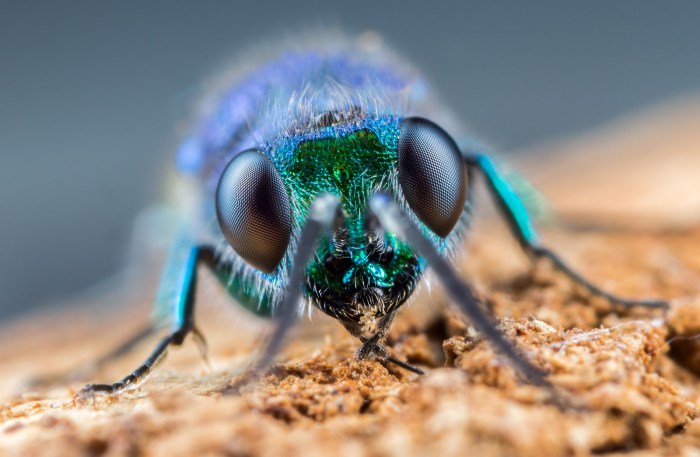
Macro photography tips for nature enthusiasts – Macro photography is a specialized form of photography that focuses on capturing small subjects at a very close range, allowing for the intricate details to be highlighted. This type of photography is highly significant in capturing the beauty and complexity of nature up close, showcasing details that are often missed by the naked eye.Macro photography has gained popularity among nature enthusiasts due to its ability to reveal the hidden beauty of the natural world.
By magnifying tiny subjects such as insects, flowers, and plants, macro photography allows photographers to explore a whole new world of textures, patterns, and colors that are not easily visible in normal photographs.The benefits of using macro photography techniques in capturing nature subjects are immense.
By getting up close and personal with small creatures and objects, photographers can create stunning images that offer a unique perspective on the beauty of the natural world. Macro photography also allows for a deeper connection with nature, as photographers spend time observing and appreciating the intricate details of the subjects they are photographing.
Choosing the Right Equipment for Macro Photography: Macro Photography Tips For Nature Enthusiasts
When it comes to macro photography, having the right equipment is essential to capture stunning close-up shots of nature. Let’s explore the key gear you’ll need to excel in macro photography.
Essential Equipment for Macro Photography
Macro photography requires specific equipment to get up close and personal with your subjects. Here are the essential gear you’ll need:
- Macro Lens: A dedicated macro lens is crucial for capturing intricate details in nature. These lenses offer a 1:1 magnification ratio, allowing you to get incredibly close to your subjects.
- Tripod: To maintain stability and avoid camera shake, a sturdy tripod is essential for macro photography. Look for a tripod that allows for precise adjustments and can support the weight of your camera and lens.
- Lighting: Good lighting is key in macro photography to highlight the details of your subject. Consider using a ring light, off-camera flash, or a reflector to illuminate your scene.
Types of Macro Lenses for Nature Photography
There are different types of macro lenses available, each with its own unique features and suitability for nature photography. Here’s a comparison of common macro lenses:
| Lens Type | Features | Suitability |
|---|---|---|
| Prime Macro Lens | Fixed focal length, excellent image quality | Ideal for detailed close-ups of small subjects |
| Zoom Macro Lens | Variable focal length, versatility | Great for capturing a variety of subjects at different distances |
Camera Settings for Macro Photography in Natural Settings
Setting the right parameters on your camera is crucial for successful macro photography in natural settings. Here are some tips for selecting the best camera settings:
- Use a narrow aperture (high f-stop) to increase depth of field and ensure sharp focus on your subject.
- Adjust your ISO to maintain image quality while shooting in varying lighting conditions.
- Experiment with different shutter speeds to capture moving subjects or minimize camera shake.
- Consider using manual focus for precise control over what parts of your subject are in focus.
Techniques for Capturing Stunning Macro Shots in Nature
Macro photography in nature requires attention to detail and careful consideration of lighting, composition, subject selection, depth of field, and focusing techniques. These elements play a crucial role in capturing breathtaking macro shots that showcase the beauty of the natural world.
Importance of Lighting and Composition
Lighting is essential in macro photography as it can make or break a shot. Soft, diffused natural light is ideal for highlighting intricate details and textures in small subjects. Avoid harsh sunlight, which can create unwanted shadows and overexposure. Composition is equally important, as it helps frame your subject and create a visually appealing image.
Use the rule of thirds, leading lines, and negative space to enhance your macro photos.
Finding Unique Subjects in Nature
Exploring different habitats and environments can lead to discovering unique and interesting subjects for macro photography. Look for vibrant colors, intricate patterns, and textures that stand out in nature. Be patient and observant, as small creatures and plants often hide in plain sight.
Experiment with different angles and perspectives to capture the essence of your subject.
Depth of Field and Focusing Techniques, Macro photography tips for nature enthusiasts
Depth of field is crucial in macro photography to ensure sharp focus on the subject while creating a pleasing background blur. Use a wide aperture (low f-stop) to achieve a shallow depth of field and isolate your subject from the background.
Experiment with manual focus and focus stacking techniques to capture detailed macro shots with varying depths of field. Take your time to fine-tune the focus and composition for each shot, ensuring precision and clarity in your macro images.
Overcoming Challenges in Macro Photography
Macro photography in nature comes with its own set of challenges that can sometimes make capturing the perfect shot a bit tricky. From dealing with unpredictable weather conditions to managing subject movement, there are several obstacles that nature enthusiasts need to overcome.
Here are some tips and solutions to help you tackle these challenges and enhance your macro photography skills.
Dealing with Wind
Wind can be a major hindrance when trying to capture sharp macro shots in nature. Even the slightest breeze can cause your subject to move, resulting in blurry or out-of-focus images. To overcome this challenge, try shooting early in the morning when the wind is usually calmer.
You can also use a tripod to stabilize your camera and reduce the impact of wind on your shots. Additionally, consider using a higher shutter speed to freeze any movement caused by the wind.
Managing Lighting Conditions
Lighting can make or break a macro photograph. In nature, lighting conditions can change rapidly, affecting the overall look of your images. To combat this challenge, try shooting during the golden hours of sunrise and sunset when the light is soft and warm.
You can also use reflectors or diffusers to control harsh sunlight and create more even lighting on your subject. Experimenting with different lighting angles can also help you achieve the desired look in your macro shots.
Handling Subject Movement
Capturing macro shots of moving subjects like insects or small animals can be quite challenging. To overcome this obstacle, try using a fast shutter speed to freeze the motion of your subject. You can also use continuous shooting mode to increase your chances of getting a sharp image.
Patience is key when dealing with moving subjects, so take your time and be prepared to take multiple shots to ensure you capture the perfect moment.
Post-Processing Techniques
After capturing your macro shots in nature, post-processing can help enhance the overall quality of your images. Consider using software like Adobe Lightroom or Photoshop to adjust the exposure, contrast, and sharpness of your photos. You can also remove any distractions or imperfections in your images using tools like spot healing or clone stamp.
Experiment with different editing techniques to bring out the best in your macro photographs.
Ethical Considerations in Macro Photography of Nature

When engaging in macro photography in nature, it is crucial to prioritize ethical considerations to ensure the well-being of wildlife and the preservation of ecosystems. Here are some tips to help nature enthusiasts practice responsible macro photography.
Minimizing Disturbance to Natural Habitats
- Avoid trampling on vegetation or disturbing the surroundings while moving closer to your subject.
- Use a telephoto lens or extension tubes to maintain a safe distance from delicate plants and animals.
- Be mindful of nesting sites and avoid capturing images that could potentially harm or disrupt wildlife.
Respecting Wildlife and Ecosystems
- Observe wildlife from a distance and refrain from interfering with their natural behavior for the sake of a photo.
- Avoid using artificial baits or lures to attract insects or animals for your shots.
- Respect protected areas and follow guidelines set by conservation organizations to safeguard the environment.
Inspiring Macro Photography Ideas for Nature Enthusiasts
Macro photography in natural settings offers endless opportunities for creativity and exploration. By focusing on the intricate details of the natural world, photographers can capture stunning images that showcase the beauty and complexity of nature up close.
Exploring Unique Perspectives
- One creative idea for macro photography is to capture the texture of petals or leaves with a shallow depth of field, creating a dreamy and ethereal effect.
- Try photographing insects or small creatures from their eye-level perspective to give viewers a new and fascinating view of their world.
- Experiment with backlighting to enhance the translucency of flowers or leaves, adding a magical quality to your macro shots.
Themes for Macro Photography
- Focus on patterns and repetition in nature, such as the spirals of a fern frond or the symmetry of a butterfly’s wings.
- Capture the delicate balance between life and decay by photographing flowers in different stages of bloom or decaying leaves.
- Explore the world of tiny details by photographing dew drops on spider webs or the intricate structure of a dragonfly’s wings.
Showcasing Nature’s Beauty and Complexity
- Macro photography allows nature enthusiasts to highlight the small but significant details that often go unnoticed in the broader landscape.
- By focusing on the tiny elements of nature, photographers can create images that evoke a sense of wonder and appreciation for the natural world.
- Through macro photography, nature enthusiasts can convey the intricate beauty and complexity of the environment, encouraging viewers to see the world in a new light.
Integrating Macro Photography with Travel Experiences
Macro photography can add a whole new dimension to your travel experiences as a nature enthusiast. By capturing intricate details of flora and fauna up close, you can create a deeper connection with the natural world around you. Here, we will explore how you can seamlessly integrate macro photography into your travel itineraries.
Tips for Capturing Macro Shots While Traveling
When traveling to different landscapes and ecosystems, consider the following tips to enhance your macro photography:
- Research the local flora and fauna to identify interesting subjects for your macro shots.
- Pack lightweight and versatile macro photography equipment to ensure you are prepared for spontaneous opportunities.
- Utilize natural light effectively by shooting during the golden hours of sunrise and sunset for soft, warm lighting.
- Experiment with different angles and perspectives to capture unique and creative macro shots.
- Be patient and observant to notice small details that can make a big impact in your macro photography.
Benefits of Combining Travel Experiences with Macro Photography
Integrating macro photography with travel experiences can offer various benefits for nature enthusiasts:
- Enhanced appreciation for the beauty and complexity of nature by focusing on small details.
- Opportunity to document and share unique species and ecosystems from different regions around the world.
- Personal growth and learning through observation and interaction with the natural environment.
- Creative outlet for artistic expression and storytelling through macro photography compositions.
- Memorable travel experiences enriched by the immersive practice of macro photography in diverse landscapes.
Enhancing Travel Photography Skills for Nature Enthusiasts
Traveling provides unique opportunities to capture stunning images of diverse landscapes, wildlife, and cultural experiences. Enhancing your travel photography skills can help you document these moments effectively and creatively. For nature enthusiasts who enjoy macro photography, there are specific tips and techniques to consider when capturing travel experiences with a macro lens.
Tips for Improving Overall Photography Skills While Traveling
- Experiment with different lighting conditions and compositions to enhance your skills.
- Practice capturing fast-moving subjects or moments to improve your reflexes and timing.
- Take the time to explore new perspectives and angles to create unique and engaging photographs.
- Learn how to use editing software to enhance your images and bring out the best in your travel photography.
Using a Macro Lens to Capture Diverse Subjects and Scenes During Travel
- Look for small details and textures in your surroundings to create intriguing macro shots while traveling.
- Experiment with different depths of field to highlight specific elements in your travel photographs.
- Utilize the close focusing capabilities of a macro lens to capture intricate patterns and structures in nature or architecture.
- Consider using a tripod to ensure sharp images when shooting with a macro lens, especially in low light conditions.
The Role of Macro Photography in Documenting Travel Experiences and Natural Wonders
- Macro photography allows you to capture the beauty of small details that may go unnoticed in larger scenes.
- By incorporating macro shots into your travel photography, you can create a more comprehensive visual story of your experiences.
- Documenting natural wonders with a macro lens can provide a unique perspective and insight into the intricate beauty of the environment.
- Macro photography can help you appreciate the complexity and diversity of the world around you, adding depth to your travel documentation.
Common Queries
How important is lighting in macro photography?
Lighting plays a crucial role in capturing detailed macro shots as it highlights textures and shapes. Experiment with natural light or use artificial lighting for better results.
What are some common challenges in macro photography?
Common challenges include dealing with wind affecting focus, managing lighting in outdoor settings, and capturing subjects in motion. Practice and patience are key to overcoming these obstacles.
How can macro photography enhance travel experiences?
Macro photography adds a new dimension to travel experiences by allowing you to focus on small details and unique perspectives. It helps you capture the essence of different landscapes and ecosystems in a creative way.