Travel photography gear for backpackers: Essential equipment and tips for capturing your adventures
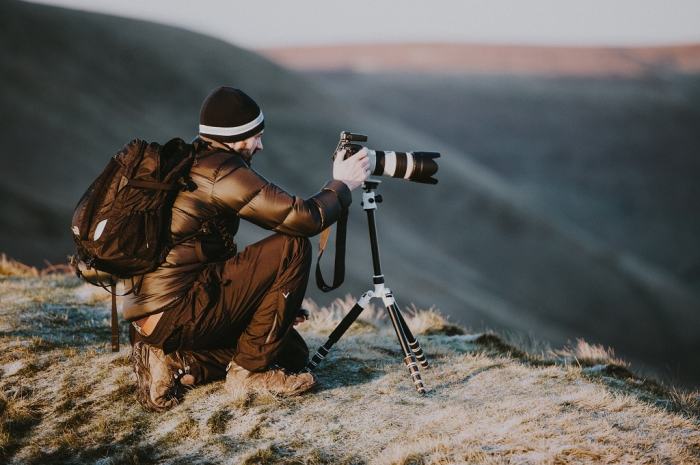
Travel Photography Gear for Backpackers
Travel photography gear for backpackers – When embarking on backpacking adventures, having the right photography gear can make a significant difference in capturing memorable moments. From lightweight cameras to portable tripods, here are some essential pieces of equipment to consider.
Essential Camera Equipment for Backpackers
- A compact mirrorless camera: These cameras offer great image quality while keeping the weight to a minimum, making them ideal for backpacking trips.
- An extra battery and memory cards: Ensuring you have enough power and storage space is crucial when you’re out exploring remote locations.
- A versatile camera bag: Look for a lightweight and durable bag that can protect your gear while being comfortable to carry on long hikes.
Best Lightweight Cameras for Travel Photography
- Sony Alpha a6000: Known for its compact size and excellent image quality, the Sony a6000 is a popular choice among backpackers.
- Fujifilm X-T30: This mirrorless camera offers impressive performance in a lightweight body, perfect for capturing stunning landscapes on the go.
- Canon EOS M50: With its compact design and user-friendly features, the EOS M50 is a versatile option for travel photography.
Types of Camera Lenses Suitable for Backpacking Trips
- Wide-angle lens: Ideal for capturing expansive landscapes and cramped spaces, a wide-angle lens is a must-have for backpackers looking to document their adventures.
- Telephoto lens: Perfect for wildlife photography and capturing distant subjects, a telephoto lens can add versatility to your backpacking kit.
- Prime lens: Known for their sharpness and low-light performance, prime lenses are lightweight options that can produce stunning images on the go.
Importance of Portable Tripods for Capturing Stable Shots
- Stable shots: A portable tripod can help you achieve sharp images, especially in low light conditions or when shooting long exposures.
- Versatility: Tripods allow you to experiment with different compositions and angles, enhancing the creativity of your travel photography.
- Lightweight design: Look for tripods that are compact and lightweight, making them easy to carry in your backpack without adding too much extra weight.
Travel Tips
Traveling with camera gear can be a challenge, but with the right tips and tricks, you can make the most out of your photography opportunities while on the move. Here are some essential travel tips for backpackers with camera equipment:
Packing Tips
- Invest in a good quality camera bag with proper padding and compartments to protect your gear during travel.
- Pack only the essentials to lighten your load and avoid carrying unnecessary equipment.
- Bring extra batteries, memory cards, and a cleaning kit to ensure you are always prepared for any situation.
Protecting Camera Equipment
- Use a camera rain cover or waterproof bag to protect your gear from unexpected weather conditions.
- Avoid leaving your camera unattended or exposed to extreme temperatures to prevent damage.
- Consider investing in a camera insurance policy to cover any potential accidents or theft while traveling.
Maximizing Photography Opportunities
- Research your destination in advance to identify the best photo spots and plan your shoots accordingly.
- Wake up early or stay out late to capture the golden hours for the best lighting conditions.
- Interact with locals and immerse yourself in the culture to capture authentic and unique travel moments.
Capturing Authentic Travel Moments
- Avoid staged or posed shots and focus on capturing candid moments that tell a story.
- Experiment with different angles, perspectives, and compositions to add creativity to your travel photos.
- Be patient and observant to capture fleeting moments and emotions that make your travel photos memorable.
Travel Itinerary
Planning a backpacking trip focused on photography can be an exciting and rewarding experience. From capturing stunning landscapes to vibrant street scenes, incorporating photography into your travel itinerary can truly enhance your exploration of new destinations. Here are some tips and suggestions for creating a photography-centric travel itinerary.
Sample Itinerary
When planning a photography-focused backpacking trip, it’s essential to choose destinations that offer unique and picturesque photo opportunities. Consider including a mix of urban and natural settings in your itinerary to capture a diverse range of subjects. Here is a sample itinerary for a photography-centric backpacking trip:
Day 1-3
Explore the vibrant streets and colorful markets of Marrakech, Morocco
Day 4-6
Venture into the Sahara Desert for stunning sunrise and sunset shots
Day 7-9
Travel to the coastal town of Cinque Terre, Italy, for picturesque seaside views
Day 10-12
Hike through the lush landscapes of Iceland’s Golden Circle
Day 13-15
Conclude your trip with a visit to the temples of Angkor Wat in Cambodia
Must-Visit Photography Destinations
The Grand Canyon, USA
Capture the breathtaking views of this natural wonder at sunrise or sunset
Kyoto, Japan
Explore the traditional architecture and serene gardens for unique photo opportunities
Patagonia, Chile
Photograph the stunning landscapes of glaciers, mountains, and lakes
Santorini, Greece
Capture the iconic white buildings against the backdrop of the Aegean Sea
Banff National Park, Canada
Explore the turquoise lakes and majestic mountains for stunning landscape shots
Tips for Planning a Photography-Centric Travel Itinerary
- Research photography spots in advance and plan your itinerary around the best times for lighting and weather conditions
- Leave room for spontaneity and be flexible with your schedule to take advantage of unexpected photo opportunities
- Consider investing in lightweight and versatile photography gear to ensure you can capture quality shots without weighing yourself down
- Connect with local photographers or photography groups to gain insider tips on the best locations and hidden gems
Benefits of Incorporating Photography into Travel Plans
- Enhances your travel experience by encouraging you to see the world through a different lens
- Allows you to document and share your travel memories with friends and family
- Provides a creative outlet for self-expression and storytelling
- Encourages you to explore off-the-beaten-path destinations and discover hidden gems
Beach Resorts
When it comes to beach resorts, there are plenty of photography opportunities waiting to be captured. From stunning sunsets to water activities, there is no shortage of beautiful moments to photograph.
Photography Opportunities
At beach resorts, you can capture a wide range of subjects, including landscapes, seascapes, and beach life. The golden hour during sunrise and sunset provides the perfect lighting for breathtaking photos. Don’t forget to also focus on water activities such as surfing, snorkeling, or beach volleyball for dynamic shots.
Recommended Camera Gear
To capture the beauty of beach landscapes, consider bringing a wide-angle lens to capture the vastness of the ocean and the sky. A waterproof camera or housing is essential to protect your gear from sand and water. A tripod can also be helpful for shooting long exposure shots of the waves crashing against the shore.
Tips for Sunrise and Sunset Photos
When shooting sunrise and sunset photos at beach resorts, arrive early to set up your gear and scout for the best vantage points. Experiment with different compositions and exposure settings to capture the vibrant colors of the sky. Utilize the reflections on the wet sand or water to add depth to your photos.
Photographing Water Activities and Beach Life
To capture water activities and beach life, focus on freezing action shots by using a fast shutter speed. Look for interesting angles and perspectives to highlight the excitement and energy of the moments. Candid shots of people enjoying the beach or interacting with the ocean can also add a storytelling element to your photos.
Cultural Tours
When embarking on cultural tours, photographers have the unique opportunity to capture the essence of diverse cultural experiences through their lens. It is essential to approach cultural photography with respect and sensitivity to the customs and traditions of the local communities.
Exploring Cultural Photography Opportunities
- Immerse yourself in the local culture to understand the traditions and practices that make each community unique.
- Capture candid moments that showcase the daily life and rituals of the people you encounter.
- Participate in cultural events and festivals to document the vibrant celebrations and traditions of the region.
Respecting Local Customs
- Always ask for permission before taking someone’s photograph, especially in intimate or sacred settings.
- Avoid intruding on private moments or ceremonies without prior consent from the individuals involved.
- Be mindful of cultural sensitivities regarding dress code, gestures, and behavior while photographing in different communities.
Impact of Cultural Photography
- Cultural photography has the power to bridge gaps between different cultures and promote understanding and appreciation for diversity.
- Through storytelling and visual narratives, photographers can shed light on the rich heritage and traditions of communities around the world.
- By capturing the essence of a culture through photography, we can preserve and share these unique stories for future generations.
Cruise Vacations
When embarking on a cruise vacation, capturing memorable moments through photography becomes a delightful challenge. The vast open waters, stunning sunsets, and unique ports of call offer a myriad of photo opportunities. Here are some tips and recommendations for making the most of your photography gear while on a cruise.
Photography Options and Challenges on Cruise Vacations
Cruise vacations present a mix of photography options and challenges. From capturing the grandeur of the ship to documenting the picturesque destinations along the way, there is no shortage of subjects to photograph. However, the movement of the ship, changing lighting conditions, and unpredictable weather can pose challenges for photographers.
- Invest in a camera with image stabilization to counteract the motion of the ship and ensure sharp photos.
- Consider using a telephoto lens to capture distant landscapes or wildlife during shore excursions.
- Experiment with different angles and perspectives to add creativity to your cruise vacation photos.
Recommended Camera Gear for Scenic Views from a Cruise Ship
When capturing scenic views from a cruise ship, having the right camera gear can make all the difference in your photos. Here are some recommended camera gear options:
- A wide-angle lens to capture the vastness of the ocean and the stunning coastline views.
- A polarizing filter to reduce glare and enhance the colors of the sea and sky.
- A tripod to ensure stability and sharpness in your long exposure shots of the sunset or night sky.
Tips for Photographing Wildlife Encounters during Cruise Excursions
Cruise excursions often include opportunities to encounter wildlife in their natural habitats. To make the most of these encounters through photography, consider the following tips:
- Use a telephoto lens to capture close-up shots of wildlife without disturbing their natural behavior.
- Be patient and observant to anticipate the movements of animals and capture candid moments.
- Adjust your camera settings for fast shutter speeds to freeze motion and avoid blurry wildlife photos.
Unique Photo Opportunities on a Cruise Vacation
While on a cruise vacation, keep an eye out for unique photo opportunities that capture the essence of your journey. Some ideas include:
- Candid shots of fellow passengers enjoying onboard activities or relaxing by the pool.
- Silhouette shots of the ship against a colorful sunset or sunrise backdrop.
- Details of the ship’s architecture or decor that showcase the luxury and elegance of the cruise experience.
Backpacking Trips
When embarking on backpacking trips, it’s essential to have the right photography gear that is lightweight and versatile. Capturing stunning landscapes, wildlife encounters, and cultural moments while balancing the physical demands of backpacking requires careful planning and technique.
Essential Photography Gear for Backpacking Adventures
- A lightweight DSLR or mirrorless camera
- A versatile zoom lens for capturing a variety of scenes
- A sturdy tripod for stable shots in low light conditions
- Extra batteries and memory cards for extended shooting sessions
- A compact camera bag to protect your gear while on the move
Techniques for Capturing Nature and Landscapes
- Utilize the golden hours of sunrise and sunset for optimal lighting
- Experiment with different angles and perspectives to create unique compositions
- Use a polarizing filter to enhance colors and reduce glare in landscape shots
- Incorporate leading lines and foreground elements to add depth to your images
Tips for Photographing Wildlife Encounters
- Respect wildlife and maintain a safe distance while capturing photos
- Use a telephoto lens to get close-up shots without disturbing the animals
- Focus on the eyes of the wildlife for engaging and impactful portraits
- Be patient and observant to capture natural behaviors and interactions
Balancing Photography with Backpacking Demands
- Plan your photography outings around rest stops to avoid overexertion
- Limit the amount of gear you carry to minimize physical strain during hikes
- Stay hydrated and take breaks to prevent fatigue while focusing on photography
- Prioritize safety and well-being over getting the perfect shot in challenging conditions
City Breaks
When embarking on city breaks, travelers have the opportunity to capture the unique essence of urban settings through photography. From bustling streets to iconic landmarks, cityscapes offer a plethora of subjects for photographers to explore and document.
Camera Gear for Cityscapes and Street Photography, Travel photography gear for backpackers
- Wide-angle lens: Ideal for capturing sweeping cityscapes and architectural marvels.
- Prime lens: Great for street photography, providing sharp and detailed images of city life.
- Tripod: Essential for stabilizing shots in low light conditions or for long exposure photography.
- Camera bag: Choose a lightweight and compact bag to easily navigate through the city streets.
Tips for Photographing Architecture and Landmarks
- Experiment with different angles and perspectives to capture unique shots of famous buildings and monuments.
- Consider the lighting conditions and time of day for optimal results, such as golden hour for warm, soft light.
- Incorporate elements of the surroundings to add context and depth to your architectural shots.
Techniques for Capturing the Essence of a City
- Focus on details: Zoom in on intricate patterns, textures, and colors that define the character of a city.
- Include locals: Capture candid moments of people going about their daily lives to showcase the human side of the city.
- Look for reflections: Utilize reflective surfaces like water or glass to create interesting compositions and perspectives.
Travel Blogs
Travel blogs are a popular way for travelers to share their experiences, tips, and stories with a wide audience. One of the key elements that make a travel blog engaging and visually appealing is photography. High-quality images can transport readers to different destinations, evoke emotions, and provide a glimpse into the unique experiences of the traveler.
Importance of Photography in Travel Blogging
Photography plays a crucial role in travel blogging as it helps in capturing the essence of a place, showcasing the beauty of different landscapes, and creating a visual narrative for the readers. Stunning images can attract more visitors to a travel blog, increase engagement, and leave a lasting impression on the audience.
Tips for Creating Visually Appealing Travel Blog Posts with Photos
- Invest in a good camera or smartphone with a high-resolution camera to capture clear and vibrant images.
- Pick interesting angles, perspectives, and compositions to make your photos stand out.
- Experiment with natural lighting and editing techniques to enhance the visual appeal of your photos.
- Include a variety of shots, such as close-ups, landscapes, portraits, and action shots, to provide a well-rounded view of your travel experiences.
- Consider the overall layout and design of your blog post to ensure that the photos complement the written content effectively.
Using Photography to Enhance Storytelling in Travel Blogs
Photography can be used as a powerful storytelling tool in travel blogs by capturing authentic moments, conveying emotions, and adding depth to the narrative. Images can help readers connect with the travel experiences on a more personal level, creating a more immersive and engaging storytelling experience.
Successful Travel Blogs that Excel in Travel Photography
- Expert Vagabond by Matthew Karsten – Known for stunning photography that captures the spirit of adventure and exploration.
- The Blonde Abroad by Kiersten Rich – Features vibrant and colorful images that showcase the beauty of destinations around the world.
- Nomadic Matt by Matt Kepnes – Utilizes a mix of professional and candid photos to bring his travel stories to life.
- Legal Nomads by Jodi Ettenberg – Focuses on food and travel photography, creating a sensory experience for readers through visual storytelling.
Travel Essentials
When it comes to travel photography, having the right gear is essential to capture stunning moments on the go. Here, we will discuss some key travel essentials for photographers to ensure a smooth and successful journey.
Essential Travel Accessories for Photographers
- Camera bag: Invest in a durable and padded camera bag to protect your gear while traveling.
- Tripod: A lightweight and sturdy tripod can help you capture sharp images, especially in low light conditions.
- Lens cleaning kit: Keep your lenses clean and free from dust and smudges for clear and crisp photos.
- Extra batteries and memory cards: Always carry spare batteries and memory cards to avoid running out of power or storage space.
Protective Gear for Camera Equipment While Traveling
- Camera rain cover: Be prepared for unexpected weather conditions with a rain cover to protect your camera from moisture.
- Shockproof camera case: Invest in a shockproof case to safeguard your camera from accidental drops or bumps during travel.
- Lens hood: Prevent lens flare and protect your lens from scratches with a lens hood.
Importance of Backups and Storage Solutions for Travel Photography
“It’s better to be safe than sorry.”
- Cloud storage: Backup your photos to the cloud to ensure you never lose precious memories, even if your camera or memory card gets lost or damaged.
- External hard drive: Carry an external hard drive to store additional copies of your photos and free up space on your camera or memory cards.
- Organizational pouches: Use pouches or cases to keep your cables, chargers, and small accessories organized and easily accessible.
Tips for Staying Organized with Photography Gear on the Go
- Create a checklist: Before each trip, make a checklist of all the essential photography gear you need to pack.
- Label your gear: Label your camera, lenses, and accessories with your contact information to help identify them in case they get lost.
- Keep it minimal: Avoid carrying unnecessary gear to lighten your load and make it easier to move around while shooting.
Travel Photography: Travel Photography Gear For Backpackers
Travel photography is an essential part of capturing memories and experiences while exploring the world. It allows travelers to document their adventures, share their stories, and create stunning visual representations of the places they visit.
The Art of Travel Photography
Travel photography is more than just taking pictures; it involves capturing the essence and spirit of a destination. It’s about telling a story through images, conveying the emotions, colors, and beauty of a place in a single frame. To excel in travel photography, one must understand the importance of composition, lighting, and perspective.
Different Photography Styles for Travel Photography
When it comes to travel photography, there are various styles that can be explored, such as landscape photography, portrait photography, street photography, and documentary photography. Each style offers a unique way of capturing the essence of a destination and allows photographers to showcase their creativity.
Tips for Composing Compelling Travel Photos
- Consider the rule of thirds to create a balanced composition.
- Use leading lines to draw the viewer’s eye into the scene.
- Experiment with different angles and perspectives to capture unique shots.
- Pay attention to lighting conditions and make use of natural light for stunning effects.
- Include local elements and people to add a sense of place and culture to your photos.
Insights on Editing and Post-processing Travel Photos
Editing and post-processing play a crucial role in enhancing travel photos and bringing out the best in them. It’s important to have a basic understanding of editing tools and techniques to refine your images. Adjusting exposure, color balance, and contrast can make a significant difference in the final outcome of your travel photos.
Clarifying Questions
What are the best lightweight cameras for travel photography?
The Sony Alpha a6000 and Canon EOS M50 are popular choices among backpackers for their portability and quality.
Why is a portable tripod important for travel photography?
A portable tripod ensures stability for your shots, especially in low light conditions or when capturing long exposure images.