Travel photography tips for beginners: Capture Memories and Master Techniques
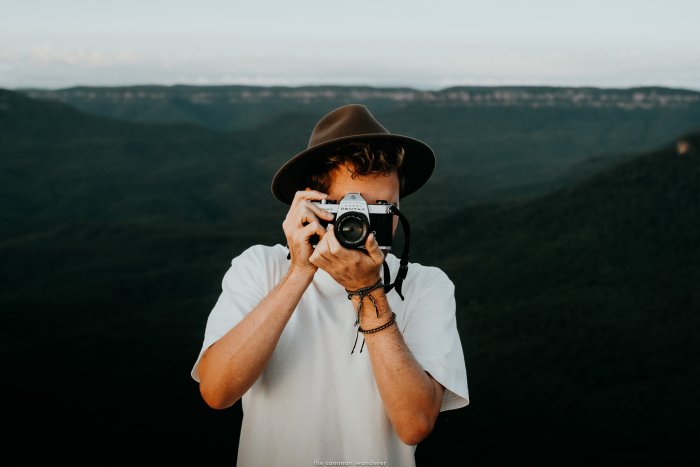
Travel Photography Tips for Beginners
Travel photography tips for beginners – Travel photography is a wonderful way to capture memories of your adventures and experiences in different parts of the world. Whether you’re exploring a new city, hiking in the mountains, or relaxing on a beach, having the right photography skills can help you preserve these moments for a lifetime.
Essential Camera Equipment
Before you embark on your travel photography journey, it’s essential to have the right camera equipment. For beginners, a good DSLR or mirrorless camera with a versatile lens is a great starting point. A sturdy tripod, extra batteries, and memory cards are also must-have accessories to ensure you’re prepared for any shooting situation.
Basic Photography Techniques
- Composition: Pay attention to the rule of thirds, leading lines, and framing to create visually appealing images.
- Lighting: Understand how natural light impacts your photos and learn to use it to your advantage.
- Framing: Experiment with different angles and perspectives to add depth and interest to your shots.
Research and Planning
Before you set off on your travels, take some time to research your destination and plan your shots accordingly. Look for iconic landmarks, unique landscapes, and local culture that you want to capture. This will help you make the most of your travel photography experience and come home with stunning images to share with others.
Travel Tips
Traveling can be an exciting and enriching experience, especially when combined with photography. Here are some essential travel tips for beginners to ensure a smooth and enjoyable trip.
Packing Efficiently for Travel
When packing for a photography-centered trip, it’s crucial to pack efficiently to ensure you have all the necessary equipment without carrying unnecessary items. Consider the following tips:
- Make a list of essential photography gear, such as cameras, lenses, tripods, and memory cards.
- Pack versatile clothing and gear to accommodate various weather conditions and shooting scenarios.
- Invest in a quality camera bag or backpack with compartments designed for camera gear to keep everything organized and protected.
- Don’t forget essential accessories like extra batteries, chargers, lens cloths, and a portable hard drive for backing up photos.
Importance of Travel Insurance and Emergency Preparedness
Travel insurance and emergency preparedness are crucial aspects of any trip, especially when traveling for photography. Here’s why they are essential:
- Travel insurance provides coverage for unexpected events like trip cancellations, lost luggage, medical emergencies, and camera gear theft.
- Emergency preparedness involves carrying essential items like a first aid kit, emergency contacts, and copies of important documents in case of emergencies.
- Research local emergency services and healthcare facilities at your travel destination to be prepared for any unforeseen circumstances.
Budgeting Effectively for a Photography-Centered Trip
To ensure a photography-centered trip stays within budget, it’s essential to plan and budget effectively. Consider the following tips:
- Estimate the total cost of the trip, including transportation, accommodation, meals, photography permits, and any additional expenses.
- Allocate a separate budget for photography equipment purchases or rentals, editing software, and printing costs for your photos.
- Look for travel deals, discounts, and promotions to save money on flights, accommodations, and photography gear purchases.
- Track your expenses during the trip to stay within budget and make adjustments if necessary to avoid overspending.
Travel Itinerary
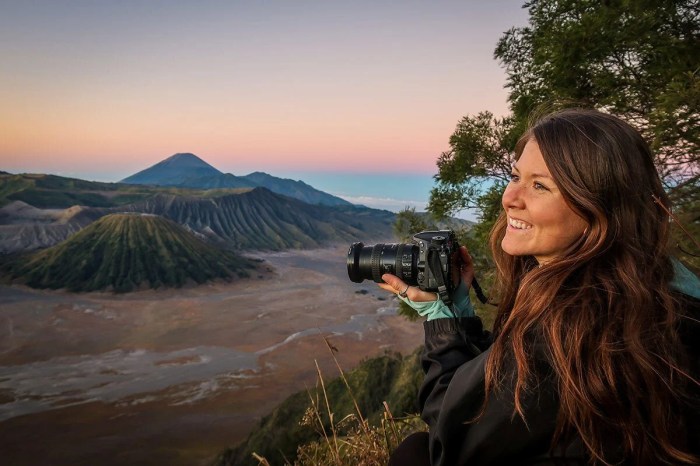
When planning a photography-focused trip, creating a well-thought-out travel itinerary is key to maximizing your photography opportunities while still allowing time to enjoy the destination. Here are some tips to help you design a sample travel itinerary template for your next photography adventure.
Balance Photography Opportunities with Enjoying the Destination
- Allocate specific times for photography sessions but also leave room for spontaneous captures.
- Research sunrise and sunset times for optimal lighting conditions.
- Plan breaks in between photography sessions to explore the destination and immerse yourself in the local culture.
Researching and Selecting Photography-Friendly Locations
- Look for iconic landmarks, scenic landscapes, and unique architecture that make great photography subjects.
- Check online photography forums and social media for recommendations from fellow photographers.
- Consider off-the-beaten-path locations for unique and less crowded photo opportunities.
Incorporating Downtime for Rest and Relaxation, Travel photography tips for beginners
- Schedule downtime in your itinerary to recharge and prevent burnout.
- Explore local markets, cafes, and parks to unwind and experience the destination beyond your camera lens.
- Include leisure activities like spa treatments or guided tours to balance your photography-focused trip with relaxation.
Beach Resorts
When it comes to beach resorts, there are endless photography opportunities waiting to be captured. From stunning beach landscapes to exciting water sports activities, there is so much to explore and photograph. Here are some tips to help you make the most out of your beach resort photography experience.
Photographing Beach Landscapes
- Capture the golden hour: Take advantage of the soft, warm light during sunrise and sunset to capture breathtaking beach landscapes.
- Use leading lines: Incorporate natural lines like shorelines or palm trees to create depth and perspective in your photos.
- Experiment with long exposure: Try long exposure shots to capture the movement of waves or clouds for a more dynamic effect.
Photographing Activities
- Water sports action shots: Use a fast shutter speed to freeze the action and capture thrilling moments of water sports like surfing or jet skiing.
- Sunset views: Experiment with different angles and compositions to capture the vibrant colors of the sunset reflecting on the water.
- Beach scenes: Look for interesting patterns in the sand, unique beach accessories, or colorful umbrellas to add visual interest to your beach scene photos.
Dealing with Harsh Sunlight
- Use a lens hood: Reduce lens flare and protect your lens from direct sunlight by using a lens hood.
- Adjust your exposure: Experiment with exposure compensation to avoid overexposure when shooting in bright sunlight.
- Find shade: Look for shaded areas or use a reflector to soften harsh shadows and create more flattering lighting for your subjects.
Capturing Candid Moments
- Blend in: Avoid drawing attention to yourself by dressing casually and observing your surroundings discreetly to capture genuine and candid moments.
- Use a telephoto lens: Capture candid interactions from a distance without intruding on people’s privacy by using a telephoto lens.
- Be patient: Wait for the right moment to capture authentic expressions and emotions of people enjoying their time at the beach resort.
Cultural Tours
Exploring different cultures through photography can be a rewarding experience that not only captures the essence of a place but also helps in understanding and appreciating different ways of life.
When embarking on cultural tours, it is important to approach photography with respect and sensitivity towards the locals and the cultural sites you are visiting. Here are some tips to ensure you capture meaningful and respectful images:
Capturing Cultural Experiences
- Always ask for permission before taking a photo of locals, especially in close-up shots.
- Avoid disrupting or intruding on cultural practices or rituals for the sake of a photograph.
- Be aware of and follow any specific photography guidelines or restrictions at cultural sites or events.
- Capture candid moments that showcase the daily life and traditions of the community without being intrusive.
- Aim to tell a story through your photos, highlighting the unique aspects of the culture you are experiencing.
Research and Etiquette
- Before your cultural tour, research the customs, traditions, and etiquette of the destination to ensure you are aware of any cultural sensitivities.
- Learn a few key phrases in the local language to communicate with the locals and show respect for their culture.
- Respectfully engage with the community members to gain their trust and create a more authentic photographic experience.
- Consider hiring a local guide who can provide insights into the culture and help navigate sensitive photography situations.
Cruise Vacations
When embarking on a cruise vacation, you are presented with a plethora of unique photography opportunities that can truly capture the essence of your journey. From stunning seascapes to vibrant sunsets and exciting onboard activities, there is no shortage of subjects to photograph.
Here are some tips on how to make the most of your photography experience during a cruise:
Stunning Seascapes and Sunsets
- Take advantage of the golden hour – the hour after sunrise and before sunset – to capture the most magical light for your seascapes and sunset shots.
- Experiment with different angles and perspectives to add depth and interest to your photos of the ocean and the horizon.
- Include elements like silhouettes of the ship or palm trees to create a sense of place and context in your seascapes.
- Use a polarizing filter to reduce glare and enhance the colors of the sky and water in your sunset photos.
Onboard Activities
- Capture the excitement and energy of onboard activities such as pool parties, live performances, and dining experiences by using a fast shutter speed to freeze the action.
- Look for candid moments and interactions between passengers and crew members to tell a story through your photos.
- Utilize the different light sources onboard, such as ambient lighting and stage spotlights, to create dynamic and visually appealing images.
- Don’t be afraid to get creative with your compositions and experiment with framing and cropping to add visual interest to your onboard activity shots.
Motion and Low Light Conditions
- To combat motion blur while photographing on a moving ship, use a higher shutter speed and stabilize your camera by bracing yourself against a solid surface or using a tripod.
- In low light conditions, increase your ISO setting to allow for faster shutter speeds without compromising image quality.
- Consider using the ship’s railings or other stable surfaces as makeshift tripods to steady your camera in challenging shooting conditions.
Documenting the Overall Experience
- Remember to capture the small details and moments that make your cruise vacation unique, such as the onboard decorations, meals, and interactions with fellow passengers.
- Create a visual diary of your journey by photographing not just the destinations, but also the everyday moments that make up the experience of being on a cruise.
- Experiment with different photography styles, from candid street photography to sweeping landscapes, to create a comprehensive visual story of your cruise vacation.
Backpacking Trips
Travel photography on backpacking trips presents both challenges and rewards. The opportunity to capture stunning landscapes and unique cultures can be incredibly fulfilling, but it also requires careful planning and consideration of the physical demands of backpacking. Packing light is essential for backpacking trips, but as a photographer, it’s important to ensure you have the necessary gear to capture the beauty around you.
Opt for lightweight and versatile equipment, such as a mirrorless camera and a couple of versatile lenses. Consider leaving behind bulky tripods and instead rely on natural supports or compact alternatives.
Tips for Packing Light
- Choose lightweight gear: Opt for compact cameras and lenses to reduce weight.
- Multipurpose items: Pack items that can serve multiple functions, such as a jacket that doubles as a camera bag.
- Limit accessories: Only bring the essentials, such as extra batteries and memory cards.
Capturing Nature and Landscapes
- Use natural light: Take advantage of the soft, early morning or late afternoon light for stunning landscape shots.
- Focus on details: Look for unique textures, patterns, and colors in nature to add interest to your photos.
- Experiment with composition: Play around with different angles and perspectives to capture the essence of the landscape.
Balancing Photography with Backpacking
- Plan your shots: Be strategic about when and where you take photos to avoid unnecessary fatigue.
- Take breaks: Remember to rest and recharge to prevent burnout during long days of hiking and shooting.
- Stay present: Enjoy the journey and the experience of backpacking while also capturing memories through photography.
City Breaks
City breaks offer a unique opportunity to capture the hustle and bustle of urban environments, showcasing a blend of architecture, street scenes, and local culture in cities around the world. Here are some tips to help you make the most of your city photography experience.
Photographing Architecture
- Focus on capturing the unique architectural features of buildings, both modern and historical.
- Experiment with different angles and perspectives to highlight the grandeur or intricacies of the structures.
- Pay attention to lighting conditions, as they can dramatically enhance the mood and texture of architectural shots.
Street Scenes and Local Culture
- Immerse yourself in the local culture and capture candid moments of everyday life in the city.
- Look for vibrant street markets, colorful street art, and bustling city squares to add depth to your photos.
- Engage with locals to gain insight into their way of life and incorporate their stories into your photographs.
Using Different Perspectives
- Experiment with high and low angles, as well as unique vantage points such as rooftops or bridges, to add visual interest to your city shots.
- Utilize reflections in windows, puddles, or other surfaces to create captivating compositions.
- Consider incorporating leading lines and framing techniques to draw the viewer’s eye towards the focal point of your image.
Navigating Crowded Tourist Spots
- Avoid peak tourist hours to capture popular landmarks with fewer crowds and better lighting conditions.
- Look for alternative viewpoints or hidden gems within touristy areas to capture unique perspectives of well-known attractions.
- Be patient and observant, waiting for the right moment to capture a shot that reflects the essence of the city without the distraction of crowds.
Travel Blogs
Travel blogs play a crucial role in sharing travel experiences and photography with a wider audience. They serve as a platform for travelers to document their journeys, provide valuable insights, and showcase stunning visuals to inspire others to explore the world.
Starting a Travel Blog
- Choose a niche: Select a specific focus for your travel blog, whether it’s adventure travel, luxury getaways, budget trips, or cultural experiences.
- Create a compelling name and logo: Make sure your blog name is catchy and reflects your travel style. Design a logo that is memorable and visually appealing.
- Select a reliable hosting platform: Choose a reputable hosting service to ensure your blog runs smoothly and securely.
- Set up social media accounts: Establish a presence on social media platforms to promote your blog and connect with a larger audience.
Creating Engaging Content
- Write captivating stories: Share personal anecdotes, travel tips, and recommendations to engage readers and keep them coming back for more.
- Showcase stunning photography: Use high-quality images to visually enhance your blog posts and capture the essence of your travel experiences.
- Incorporate multimedia elements: Include videos, infographics, and interactive content to make your blog more dynamic and engaging.
Growing Your Audience
- Optimize for : Use relevant s, meta tags, and descriptions to improve your blog’s search engine visibility and attract organic traffic.
- Engage with your audience: Respond to comments, participate in travel forums, and collaborate with other bloggers to increase your blog’s reach and engagement.
- Promote your blog: Share your posts on social media, collaborate with influencers, and participate in guest blogging opportunities to expand your audience.
Connecting with Other Travel Photographers
- Join photography communities: Participate in online forums, workshops, and meetups to network with fellow travel photographers and gain inspiration for your own work.
- Collaborate on projects: Partner with other photographers on joint projects, photo walks, or exhibitions to showcase your skills and reach a broader audience.
- Attend photography events: Visit photography festivals, exhibitions, and trade shows to connect with industry professionals, learn new techniques, and stay updated on the latest trends.
Travel Essentials
When embarking on a travel photography journey, it is crucial to have the right tools and essential items to capture stunning images and memories. Here are some tips to ensure you are well-prepared for your adventures.
Essential Items to Carry
- Camera: Invest in a reliable camera that suits your photography style and needs.
- Lenses: Carry versatile lenses like a wide-angle for landscapes and a zoom lens for capturing distant subjects.
- Tripod: A sturdy tripod can help you achieve sharp images, especially in low light conditions.
- Memory Cards: Bring extra memory cards to store all your photos without running out of space.
- Batteries and Chargers: Ensure you have spare batteries and chargers to keep your camera powered throughout the trip.
Protecting Gear and Ensuring Safety
- Camera Bag: Invest in a padded camera bag to protect your gear from bumps and falls during travel.
- Weather Protection: Use weather-resistant covers or cases to shield your equipment from rain, dust, and extreme conditions.
- Insurance: Consider insuring your gear to avoid financial loss in case of theft or damage.
- Backup: Create backups of your photos regularly to prevent loss in case of memory card failure or theft.
Staying Organized and Prepared
- Plan Ahead: Research your destination to identify key photography spots and plan your shooting schedule.
- Pack Light: Only carry essential gear to avoid unnecessary weight and make it easier to move around.
- Create a Checklist: Make a list of all your gear and accessories to ensure nothing gets left behind.
- Stay Alert: Keep your camera ready at all times to capture unexpected photo opportunities during your travels.
Choosing Versatile Gear
- Mirrorless Cameras: Consider using lightweight mirrorless cameras with interchangeable lenses for flexibility and portability.
- All-in-One Lenses: Opt for all-in-one lenses that cover a wide focal range to reduce the need for carrying multiple lenses.
- Compact Tripods: Choose compact and lightweight tripods that are easy to carry without compromising stability.
- Camera Straps: Use comfortable and adjustable camera straps to carry your gear securely and comfortably throughout your journey.
Travel Photography
Travel photography is a unique genre that focuses on capturing the essence of a destination, telling stories through images, and documenting the beauty and culture of different places. Unlike other photography genres, travel photography requires a blend of technical skills, creativity, and the ability to connect with the environment and people you encounter on your journey.
The Art of Capturing Emotions and Storytelling
- Focus on capturing authentic moments that evoke emotions and tell a story.
- Look for candid shots that showcase the daily life, traditions, and interactions of the locals.
- Experiment with different angles, compositions, and lighting to create visually compelling images.
Enhancing Visual Impact through Editing
- Use editing tools like Lightroom or Photoshop to enhance colors, contrast, and sharpness in your photos.
- Avoid over-editing and aim for a natural look that preserves the authenticity of the scene.
- Experiment with filters and presets to add a unique touch to your travel photos.
Developing Personal Style and Vision
- Study the work of renowned travel photographers for inspiration and ideas.
- Experiment with different photography techniques and styles to find what resonates with you.
- Focus on capturing subjects and scenes that align with your personal interests and vision.
Query Resolution
What camera equipment is essential for beginner travel photographers?
Beginners should focus on a versatile camera with interchangeable lenses, a sturdy tripod, and extra memory cards for extended shooting sessions.
How can beginners balance photography and enjoyment while on a travel itinerary?
By planning photography sessions around key attractions and allowing for downtime to soak in the destination’s ambiance, beginners can strike a harmonious balance between capturing moments and creating memories.
What are some tips for capturing candid moments at beach resorts?
Engage with the surroundings, observe interactions, and be prepared to capture spontaneous moments by keeping your camera ready at all times.
How can beginners ensure the safety of their photography gear during travel?
Investing in a durable camera bag, using lens caps, and avoiding extreme weather conditions are key steps to safeguarding photography equipment on the go.
What post-processing techniques can enhance travel photos?
Adjusting lighting, color tones, and cropping images can elevate the visual impact of travel photos, bringing out the essence of each captured moment.